
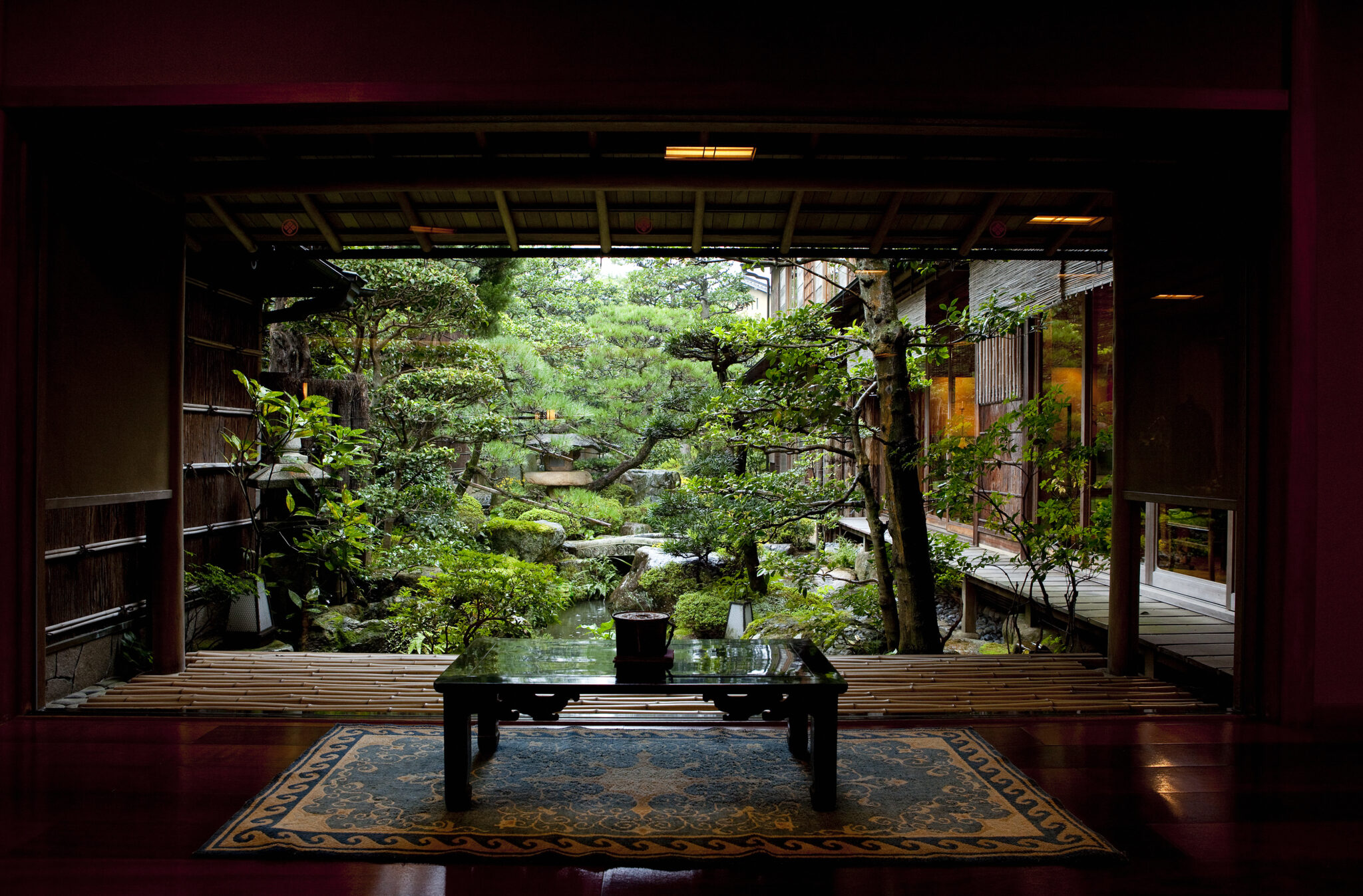
After a full day in the saddle, most riders don’t need fancy. They want easy: somewhere to park without stress, clean up properly, eat well, sleep well, and start the next day without hassle. Japan is brilliant for this - as long as you book with a rider’s needs in mind. The catch is that the same hotel that’s perfect for a train traveller can be a pain with a motorcycle.
This guide is the Shogun approach to choosing accommodation in Japan: rider priorities first, Japan realities second, and “bucket list” nights layered in without compromising the flow of the tour.
What motorcyclists want after a long day’s ride
- Parking that is simple, safe and not a negotiation
For riders, “parking available” is not the same as “parking works”. And in Japan, “parking available” also doesn’t mean “parking on site for motorcycles”.
You’re looking for a clear place the hotel expects you to park, enough space to manoeuvre, an arrival route that doesn’t require you to guess which entrance to us, and preferably secure undercover parking.
Shogun note: When we plan accommodations (guided or self-guided) we prioritise places that don’t turn parking into a late-night problem. When we do pick an in-demand property with limited or no parking, there’s a really good reason for it, and we plan around it (arrival timing and clear instructions).
- A shower/bath you’ll actually look forward to
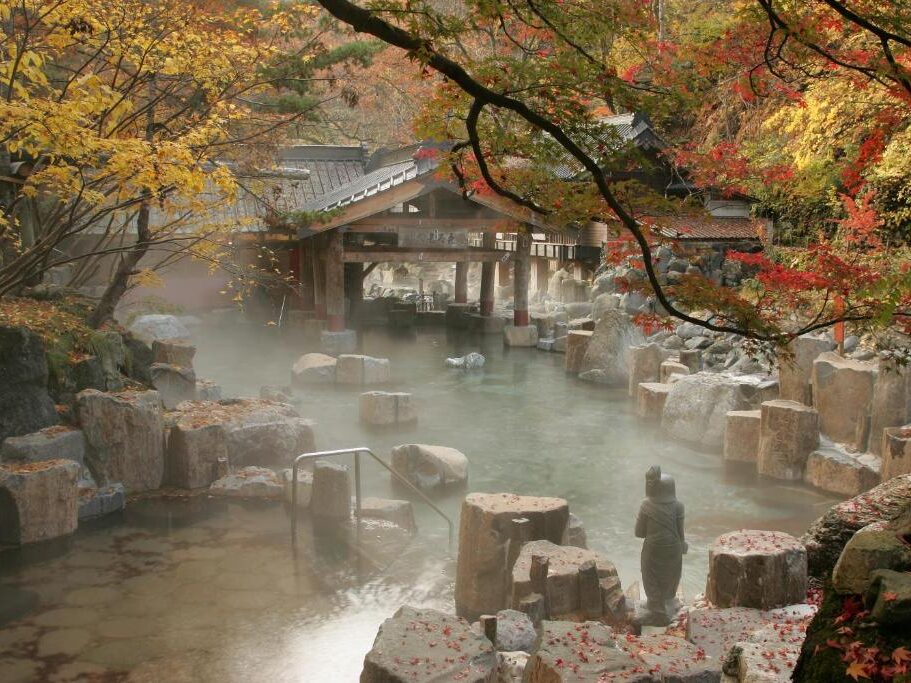
Japan is made for post-ride recovery. Deep soaking tubs are common, and many hotels have huge public baths or traditional geothermal onsen facilities. Japan is a society that puts a focus on cleanliness and cleansing as a ritual.
Even if you’re not an “onsen” person (and we fully encourage everyone to try it), a proper soak after mountain roads or cold riding days honestly changes how you feel the next morning.
- Food that’s easy to access - without riding again
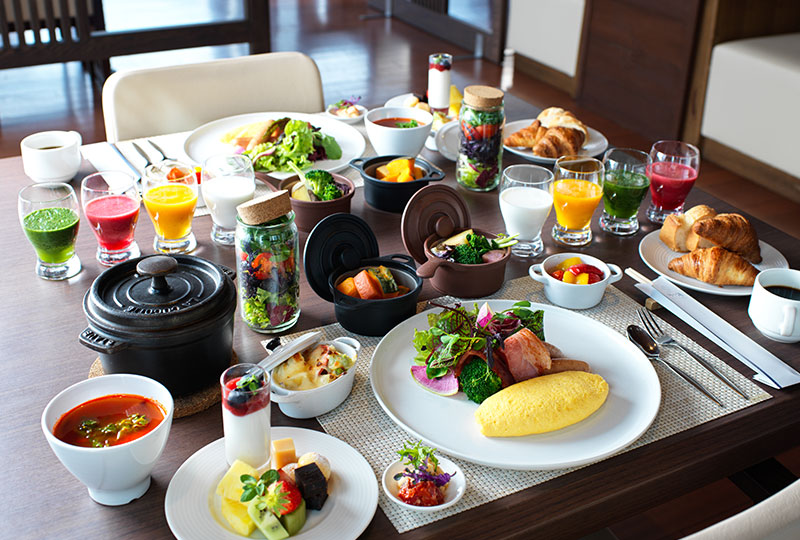
Riders are often done by nightfall. The best stays have a good dinner option on-site, or walkable local food nearby.
Japan-specific reality: staying in a traditional ryokan or onsen hotel is perfect, because usually a full multi-course spread is provided on-site or even in your room. But, they can have set dinner times and usually check-in closes a little earlier (6pm) so they know whether to make dinner for you. So be aware of that.
- Quiet, darkness and comfort
Things that matter more than an instagrammable room: a quiet room, good heating/cooling, a bed you can actually recover in.
Japan generally has very compact rooms - totally fine if you’re organised, but it’s worth knowing in advance if you’ll have multiple bags and wet gear.
Also, traditional ryokan often features futon mattresses rather than western-style beds. This can actually be surprisingly comfy, and if it’s a bit hard for your liking just ask the hotel for some extra futon - they’re usually more than happy to provide it.
- Laundry and gear management
On multi-day riding trips, laundry is a force multiplier.
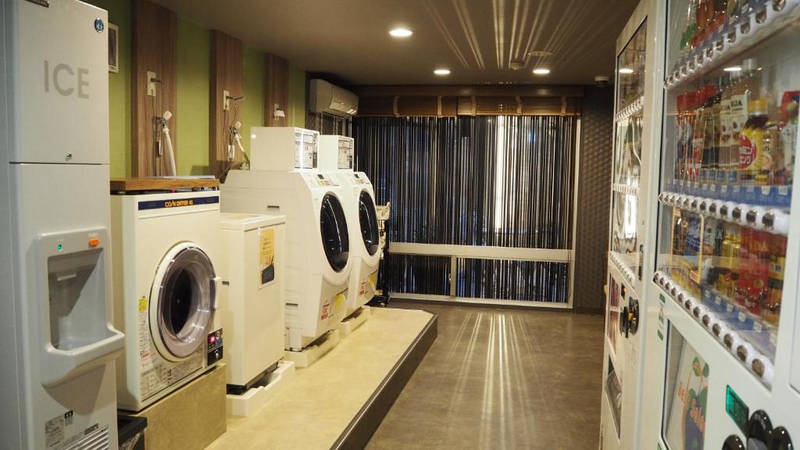
Look for: coin laundry in-house or nearby, space to hang/dry base layers, a practical place to put riding gear.
Shogun note: These features can be tricky to find, but generally we try to schedule a “laundry friendly” night at least once during tours so you don’t carry a week of damp kit.
- A smooth morning: breakfast, checkout, and a fast exit to good roads
The best touring mornings have breakfast included on-site, checkout that isn’t slow or complicated, easy access back to the road network.
Shogun note: No matter what tour you are on, with Shogun your breakfast is included every morning at your accommodation. This makes getting up and out onto the road a breeze.
Japan-focussed accommodation types (and when each one shines)
Business hotels
Best for: start and end of tours from big cities, laundry nights
Why riders like them: predictable, efficient, cheap, usually near food and convenience stores
Watch-outs: parking can be limited/paid, rooms can be very compact
Shogun approach: We use business hotels generally at the start and end of tours, or as “reset nights” - the ones that keep the tour moving smoothly.
Ryokan and onsen hotels
Best for: highlight nights, recovery nights, “this is Japan” moments
Why riders like them: bathing culture, incredible meals, calm atmosphere
Watch-outs: set meal times, traditional etiquette, sometimes less flexibility
Shogun approach: One of our main goals is immersion in Japanese culture, and ryokan play a pivotal role in that. However, we don’t force ryokan every night (it can be too structured for touring). We pick them when they add maximum value: after a big riding day, in a special location, with a meal worth planning around.
Resorts and larger hotels
Best for: scenic regions, flexibility, convenience
Why riders like them: space, amenities, super easy parking
Watch-outs: can be isolated (less walkable food), sometimes not particularly authentic
Shogun approach: We tend to stay away from resorts and larger hotels unless necessary. Although some in the Fuji region have incredible views of Mt Fuji from balconies, or down in Miyajima where they have no stress parking and walkable access to the ferry to Miyajima Island.
Small local inns / family-run stays
Best for: rural immersion, quieter towns, super authentic
Why riders like them: character, local hospitality, often close to scenic roads
Watch-outs: limited English, fewer late-night options, shared toilets
Shogun approach: These are often the most memorable nights, where riders get to spend time with true locals. We find the personal connection that riders make at these types of places often lingers in memories long after the thrill of the ride fades.
How to book the right place: the 5-question rider checklist
Copy/paste these when messaging properties:
- Do you have parking for a motorcycle? (バイクを駐車できる場所はありますか.)
- Is it on-site, and is it limited or first-come? (駐車場は敷地内ですか。台数に限りはありますか。それとも先着順ですか.)
- Where exactly should I park, and which entrance should I use? (バイクはどこに駐車すればよいですか。到着時はどの入口を利用すればよいですか.)
- Is there coin laundry on-site or nearby? (館内にコインランドリーはありますか。近くにコインランドリーはありますか.)
- What time is dinner/breakfast served and what time is check-in by? (夕食と朝食の時間を教えてください。チェックインは何時まで可能ですか.)
This saves you the classic touring failure: arriving tired, late, and unsure where the bike goes.
A Shogun-style lodging pattern that works
A strong touring week often looks like this:
- 4-5 practical rider-friendly hotels (smooth logistics, good sleep, easy parking)
- 1-2 special “Japan” stays (onsen/ryokan highlight nights)
- 1 reset night midweek (laundry, easy dinner, early start)
It’s not about luxury, it’s about keeping your riding days enjoyable and sustainable while also immersing in Japanese culture.
Small details that make a big difference in Japan
- Book “edge of city” where possible: you still get great food, but mornings are faster
- Don’t assume late check-in is fine: rural places often close early
- Prioritise recovery in bad weather: if you know you’re riding in the rainy season or in cold weather, choose comfort and laundry over “charm”.
Want some help?
Shogun’s self-guided tour packages provide you with a motorbike with insurance and luggage options, accommodations with breakfast each morning, and a fully-planned out route you follow via an electronic guidebook.
Don’t risk it by trying to wing it yourself, utilise our experience and expertise to make sure your Japan tour is stress-free and you can focus on enjoying the ride!
