
Motorcycle Touring in Japan: Why It’s a Rider’s Paradise
Japan is a country you feel in motion.
Not just in the obvious ways—in the punctual sweep of commuter trains, the steady pull of ferries across straits, the long-haul rhythm of freight, the clean efficiency of expressways—but in the way every landscape seems connected by some purposeful thread. Movement is built into the place. It’s in the ports that wake before sunrise, the mountain towns that live by the condition of their passes, the roadside rest stops where coffee and onigiri disappear as quickly as the kilometres.
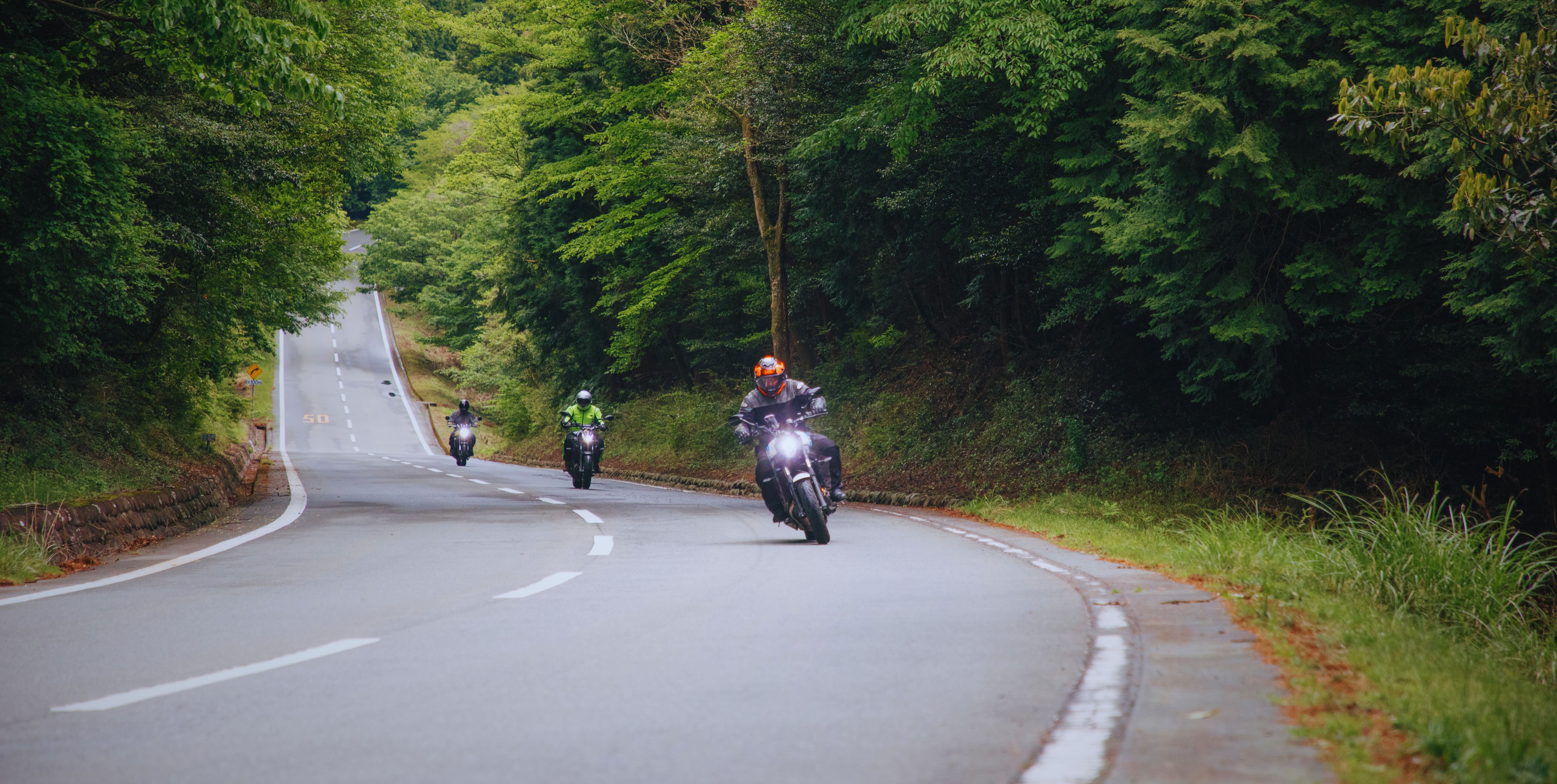
For riders, that culture of movement opens into something rare: a nation-scale network of roads that invites you off the main lines and into the texture of everyday Japan. Secondary routes that slip past rice fields and persimmon orchards. Forest passes that smell of damp cedar after rain. Coast roads that rise and fall with the contour of the sea. Some were engineered; many simply evolved—because people have always needed to cross these valleys, reach these harbours, trade between these towns, and visit shrines tucked into the folds of the hills.
You understand it the first time you round a bend and a line of snow still clings to the roadside in late spring. Or when you roll off a ferry at dawn into a quiet port town, the air carrying sea salt, cedar forest, and the faint smell of miso from a breakfast kitchen. You understand it when the GPS says you have two more hours until your destination, but the road is so good you secretly hope it’s wrong.
If you’re the kind of rider who wants more than a photo in front of Mount Fuji—who wants to feel how the country changes beneath your wheels from region to region and season to season—Japan delivers.
What makes Japan different for riders
Plenty of countries have good roads. Very few combine them with Japan’s particular mix of order, density, and variety. A few features stand out immediately for motorcyclists.
Consistently high road quality
Even in remote areas, the basic standard of sealed roads is high. Surfaces are usually well-maintained, signage is clear, and engineering is precise. That doesn’t mean every road is smooth or wide—often it’s the opposite—but when a road is tight or technical, it’s usually by design rather than neglect.
Complex, rewarding geography
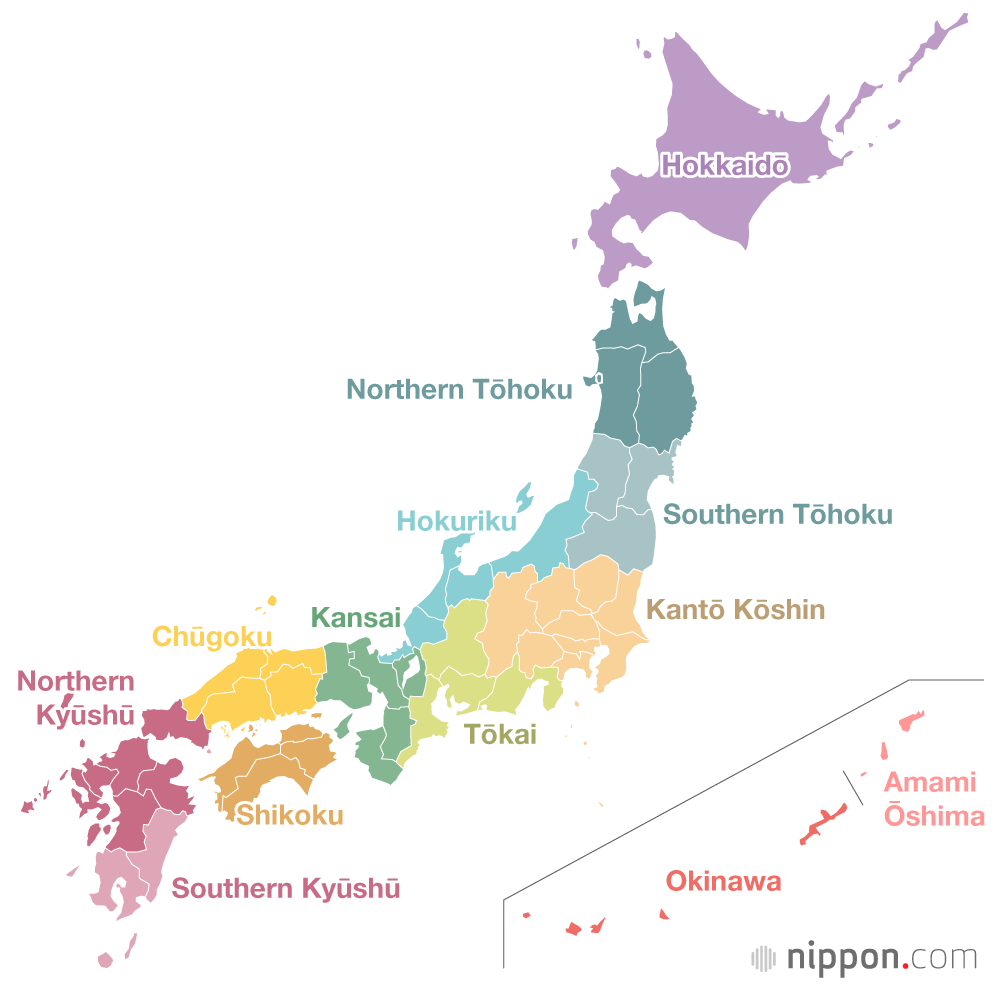
On a map, Japan looks like a narrow string of islands. On the ground, it’s layered: coastal plains, river valleys, foothills, then steep, forested mountains. That verticality creates enormous variety in a relatively compact area. Within a single day you can move from a busy harbour to rural paddies to an alpine plateau, then descend into a historic castle town for the night.
A culture of consideration
Most drivers are cautious and predictable. Lanes are respected, overtaking is measured, and horns are rare. Risk never disappears, but the overall “texture” of traffic is calmer than many riders expect. If you reciprocate with patience and courtesy, the whole trip becomes smoother.
Infrastructure that quietly supports you
Service areas, convenience stores, roadside stations, parking bays, and ferries form a kind of unofficial support network for riders. You can refuel, eat, use a clean restroom, buy a rain poncho, and recharge yourself (and your phone) in a single stop. Once you learn how to use this system, Japan opens up fast.
The four riding seasons in Japan (and what they’re best for)
There’s no single “best time” to ride in Japan. Instead, there are four distinct riding seasons, and each suits different regions and styles of travel.
Spring (March–May)
Spring is defined less by temperature and more by change. At lower elevations the air is mild, trees are budding, and cherry blossoms move north and into the mountains week by week. In some regions you’ll ride past late snow banks in the morning and sit under blooming trees in the afternoon. Higher passes may still be closed early in the season, so spring rewards flexible planning and mid-altitude routes. Our Fuji Explorer, Volcanic Voyage and Heartland Odyssey tours all run in Spring.
Summer (June–August)
Early summer brings lush green forests, long daylight hours, and warm evenings. It also brings humidity and the rainy season in much of the country, with typhoon risk later in summer. Many riders shift north—Hokkaido and northern regions offer cooler temperatures and sweeping, open roads. Further south, plan carefully around forecasts, hydration, and shade.
Autumn (September–November)
For many riders, this is the ideal season. The heat recedes, skies clear, and mountains shift into reds, oranges, and golds. Road closures are less common than in spring, and visibility in the high country can be excellent. It’s also popular for domestic travel, so booking accommodation ahead matters. Our Fuji Explorer, Volcanic Voyage and Heartland Odyssey tours all run in Autumn.
Winter (December–February)
In winter, much of central and northern Japan is affected by snow and ice, and high passes close. That doesn’t mean riding is impossible—western and southern regions can still offer clear, cool days and quiet roads. The trade-off is shorter daylight hours and the need for proper cold-weather gear. For most overseas riders, winter is best for selected low-altitude routes, or as the planning season for spring and autumn.
Japan’s layers of landscape (and how they feel on two wheels)
Understanding Japan as a riding destination starts with recognising its layers. Each layer has a different rhythm, set of risks, and set of rewards.
Coastal routes
These roads trace bays, inlets, and capes—sometimes at water level, sometimes on cliffs above the sea. Expect changing wind, sudden views, and fishing towns where life still centres on the harbour. Speeds are moderate, but the sense of movement through space is strong.
Rural valleys and farmland
Here, roads run between rice paddies, orchards, and small villages. This is where you see daily life: school children walking in groups, farmers in kei trucks, older residents on bicycles. It’s also where you need the most discipline—low speed limits, school zones, and local traffic patterns are common.
Mountain passes and upland plateaus
These are the roads riders dream about: linked curves, long sight lines, microclimates, and constant elevation change. Weather can turn quickly, surfaces can stay damp even on “dry” days, and fatigue can accumulate without you noticing. Approach these sections with a margin—when you do, they’ll often be the highlight of the trip.
Urban connectors
It’s difficult to avoid cities entirely. Expressways, ring roads, and arterial streets link great riding areas together. The good news: Japanese cities are structured. Once you understand the basic rules—lane discipline, traffic light patterns, and toll systems—urban sections become another texture of the journey rather than something to dread.
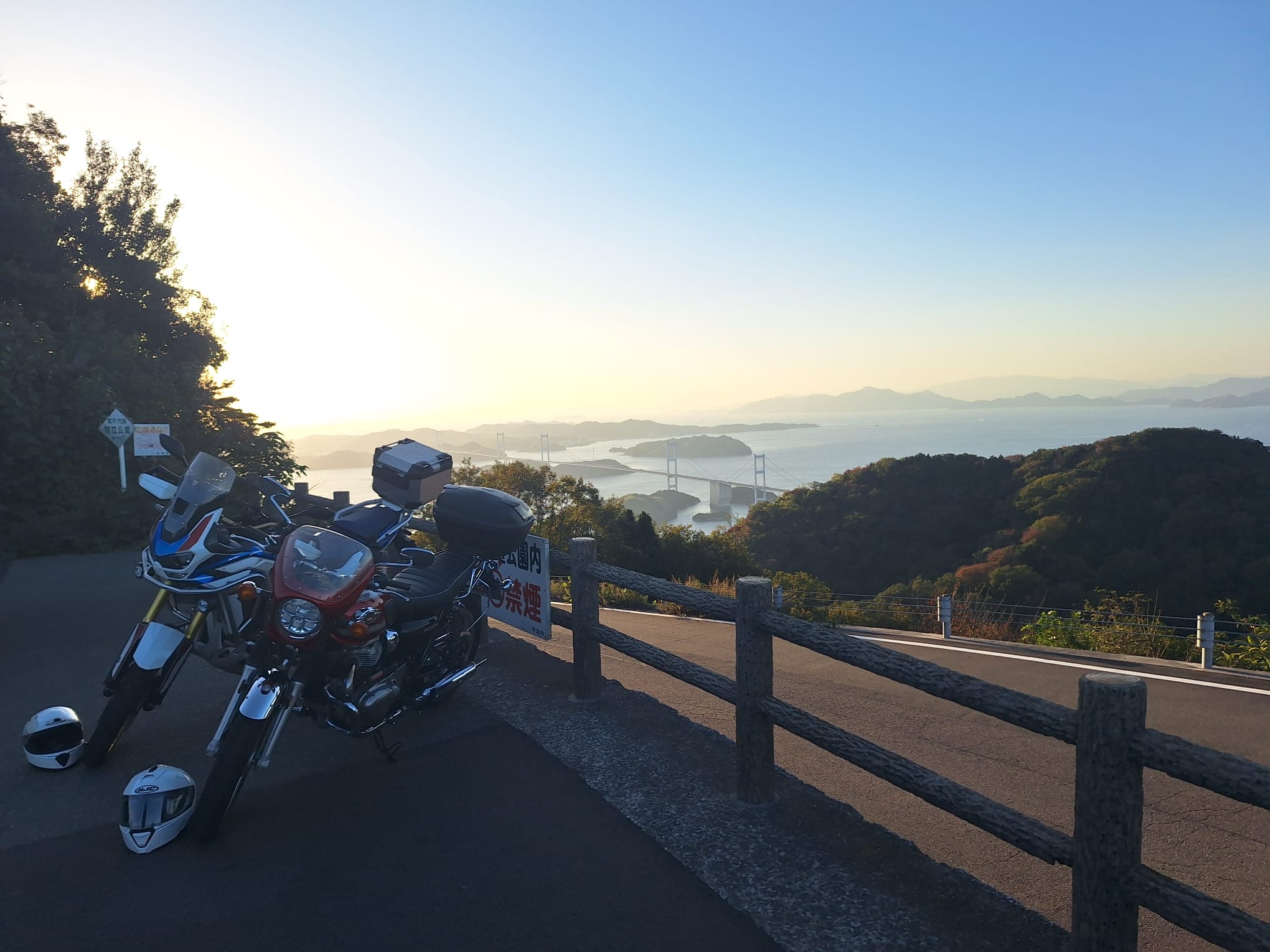
A different way to experience Japan
Most visitors experience Japan through trains, subways, and carefully planned walking routes. That’s a fantastic way to travel—but riding a motorcycle changes the shape of the country.
You’re no longer bound to the main tourism corridors. You can stay in small towns between famous destinations, stop for an hour at a roadside shrine that catches your eye, or adjust your day because a local café looks inviting. You feel the weather as it really is, not as an abstract forecast. You notice when coastal air turns to mountain cool, and when the smell of sea salt gives way to cedar forest and woodsmoke.
Motorcycle touring in Japan isn’t only about finding the “best road”. It’s about connecting these layers into days that feel balanced, sustainable, and deeply memorable—day after day.
For now, it’s enough to look at the map, notice how much variety is packed into those islands, and understand one simple thing: very few places in the world offer a motorcyclist this much quality riding, culture, and comfort in such a compact, well-organised package. Japan is one of them.
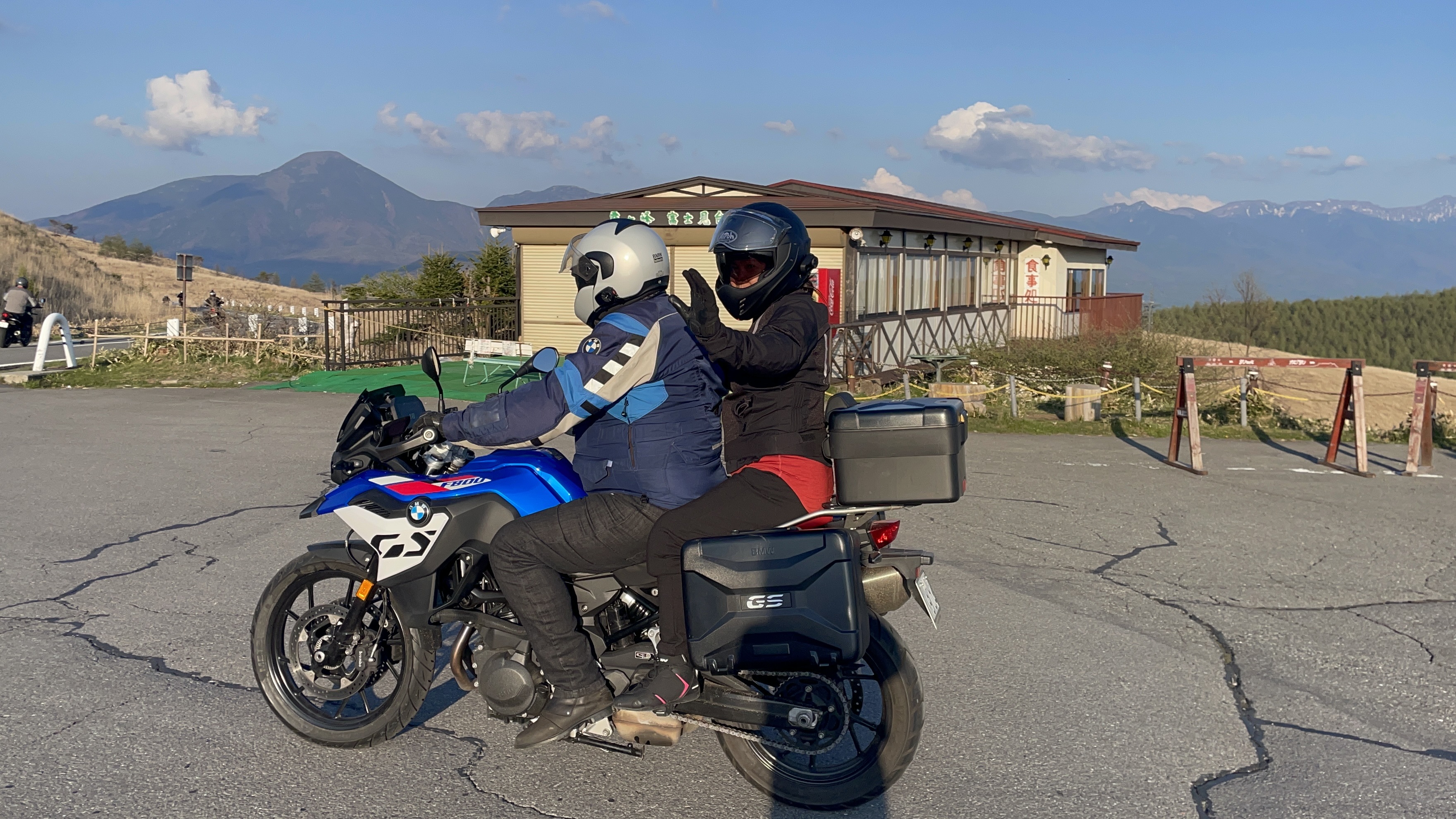
Ready to experience Japan the way it’s meant to be ridden? Whether you want the camaraderie and simplicity of a small group tour, the freedom of a self-guided tour with a proven route and detailed daily guidance, or a fully customised private tour built around your pace and priorities, we can make it happen. Explore our tour options, choose the style that fits you, and let’s get you on the road—riding, exploring, and immersing in Japan properly.
